


Warehouses are fast-moving, high-intensity work environments. From pallet racking and forklifts to packing stations and heavy-duty workbenches, daily operations involve equipment, people, and materials working in close proximity.
Without proper safety management, warehouses can quickly become high-risk workplaces.
In this guide, we’ll break down common warehouse safety hazards, practical safety best practices, and how a well-designed warehouse setup helps reduce accidents and improve productivity—especially for growing fulfillment centers, manufacturers, and industrial operations.
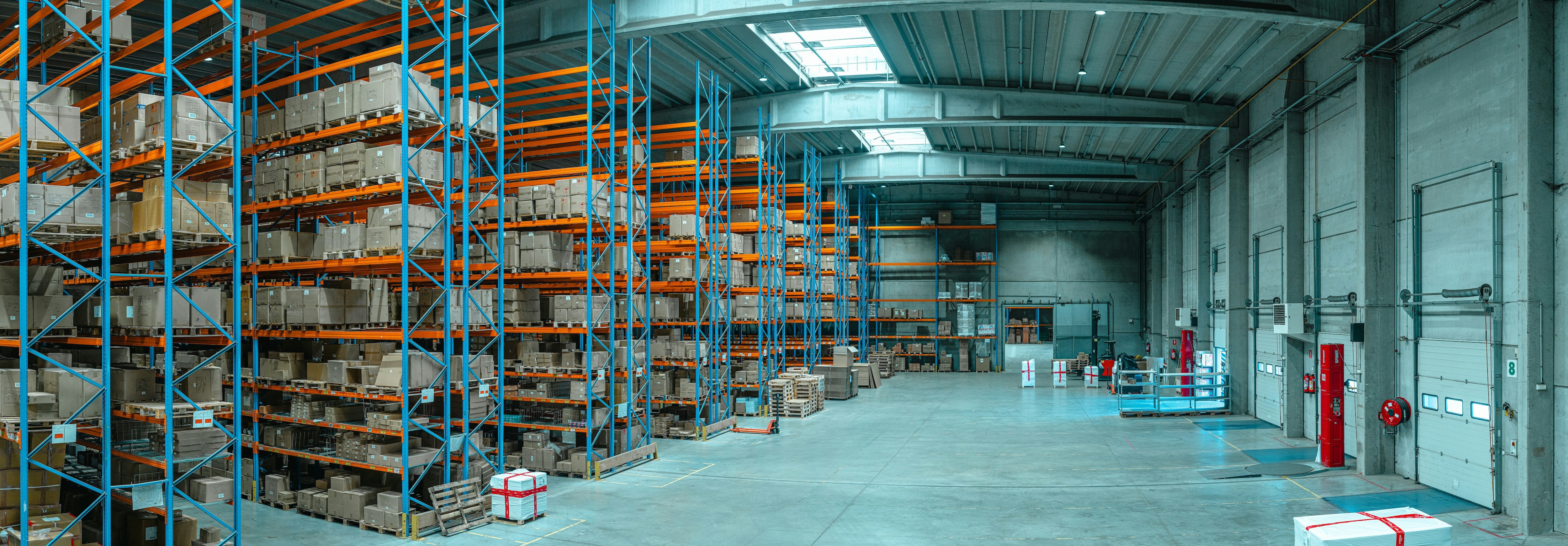
Why Warehouse Safety Matters More Than Ever
Warehouse safety isn’t just about compliance—it directly impacts:
- Employee well-being and morale
- Operational efficiency and uptime
- Equipment lifespan and maintenance costs
- Insurance premiums and liability exposure
A single preventable accident can lead to downtime, damaged goods, employee injury, or even long-term operational disruption. Building a safer warehouse is a strategic investment, not just a regulatory requirement.
Common Warehouse Safety Hazards
Understanding risks is the first step toward prevention. The most common warehouse hazards include:
Slips, Trips, and Falls
Cluttered aisles, loose packaging materials, uneven floors, or liquid spills can quickly lead to injuries—especially in high-traffic picking and packing zones.
Improper Storage and Load Handling
Overloaded shelving, unstable pallet stacking, or incorrect weight distribution can result in falling inventory and serious injuries.
Forklift and Material Handling Accidents
Forklifts, pallet jacks, and carts operate constantly in most warehouses. Poor traffic flow design or lack of visual separation between pedestrians and equipment increases collision risks.
Electrical and Fire Hazards
Damaged wiring, overloaded outlets, and improper storage of flammable materials can cause fires or electrical injuries if not regularly inspected.
Manual Handling and Ergonomic Strain
Repeated lifting, bending, or awkward postures—especially at packing tables or workbenches—can lead to long-term musculoskeletal injuries.
10 Warehouse Safety Best Practices That Actually Work
1. Build a Strong Safety Culture
Safety should be part of daily operations, not an occasional training topic. Regular training, clear procedures, and leadership involvement encourage employees to take safety seriously.
2. Keep Work Areas Clean and Organized
Good housekeeping reduces accidents instantly. Clear aisles, designated storage zones, and routine cleanup schedules are simple but highly effective safety measures.
3. Design Safe Traffic Flow
Separate pedestrian walkways from forklift routes whenever possible. Use floor markings, safety barriers, and mirrors at blind corners to improve visibility.
4. Store and Stack Inventory Correctly
Heavy items should be stored at lower levels, and shelving or pallet racks should always be rated for the intended load. Proper storage design minimizes collapse risks.
5. Use Clear Safety Signage and Labels
Visual cues help workers quickly identify hazards, restricted areas, and required protective equipment—especially in large or busy facilities.
6. Enforce Personal Protective Equipment (PPE)
Depending on the task, PPE may include safety shoes, gloves, helmets, or high-visibility vests. PPE should be accessible, well-maintained, and consistently used.
7. Apply Lockout/Tagout Procedures
When servicing equipment, lockout/tagout procedures prevent accidental startups that could seriously injure maintenance personnel.
8. Implement Fire Prevention and Emergency Planning
Clearly marked exits, accessible fire extinguishers, and regular emergency drills ensure faster and safer responses when emergencies occur.
9. Prepare for Medical Emergencies
First-aid kits should be easy to access, and at least one trained responder should be available per shift to handle basic emergencies.
10. Conduct Regular Safety Inspections
Routine inspections help identify hazards early. Reviewing near-miss incidents can also reveal hidden risks before accidents happen.
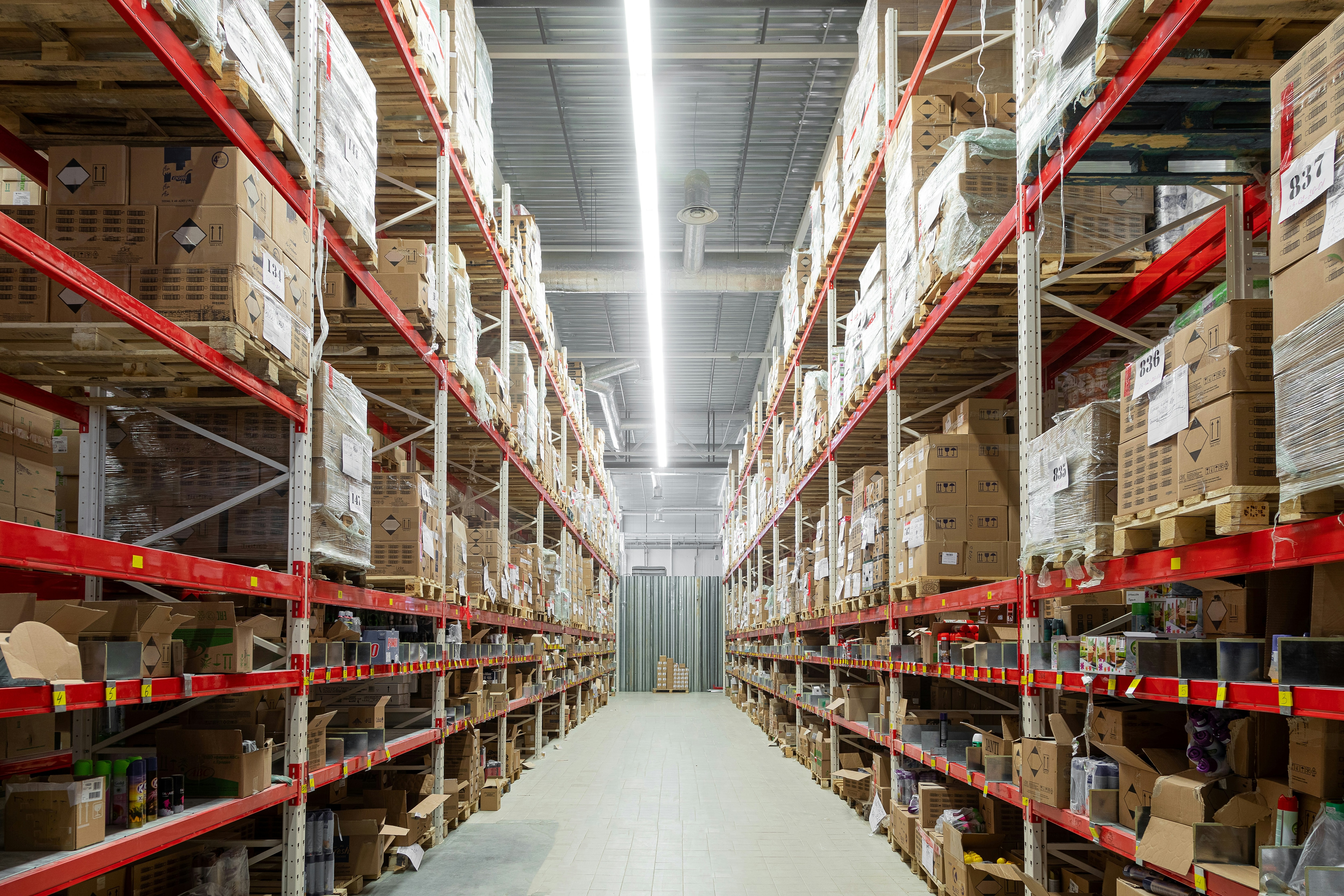
The Role of Warehouse Layout and Equipment in Safety
Warehouse safety isn’t just about rules—it’s also about how the workspace is designed.
Well-planned layouts reduce congestion, improve workflow, and lower injury risks. For example:
- Properly sized packing tables reduce excessive bending and lifting
- Heavy-duty workbenches provide stable surfaces for assembly and repairs
- Ergonomic workstation setups help prevent repetitive strain injuries
- Clear storage systems minimize clutter and falling hazards
When workstations and storage systems are designed for real warehouse use, safety and productivity naturally improve together.
Long-Term Benefits of a Safe Warehouse
A proactive warehouse safety strategy delivers measurable long-term advantages:
- Fewer workplace injuries and compensation claims
- Reduced downtime and operational interruptions
- Lower insurance and compliance-related costs
- Higher employee retention and job satisfaction
- Improved overall efficiency and throughput
Safety improvements often pay for themselves faster than expected.
Final Thoughts: Safety Is a Daily Commitment
Warehouse safety is not a one-time initiative—it’s an ongoing operational mindset. As warehouse operations grow and evolve, safety practices must adapt alongside layout changes, new equipment, and increasing throughput demands. By identifying risks early, training consistently, and designing workspaces that support safe and efficient workflows, warehouses can significantly reduce accidents while improving overall performance.
At 4Dock, we believe safer warehouses start with smarter planning—from workstation and packing station layouts to storage systems and material handling solutions designed for real-world industrial use.
If you’re planning a new warehouse, expanding an existing facility, or looking for support to optimize your warehouse operations, our team is here to help. Whether it’s workspace layout planning, equipment recommendations, or end-to-end warehouse setup support, feel free to contact us for a customized solution tailored to your operation.
A safer warehouse isn’t just safer—it’s more productive, more resilient, and built to scale.