


As OSHA continues to intensify its focus on warehousing and distribution operations, 2026 is shaping up to be a critical compliance milestone. Rather than introducing a single sweeping rule, OSHA is driving safety upgrades through enforcement priorities, national emphasis programs, and updated interpretations of existing standards. For warehouse operators, the question is no longer if inspections will increase—but whether facilities are prepared when they happen.
Why OSHA Is Paying Closer Attention to Warehouses
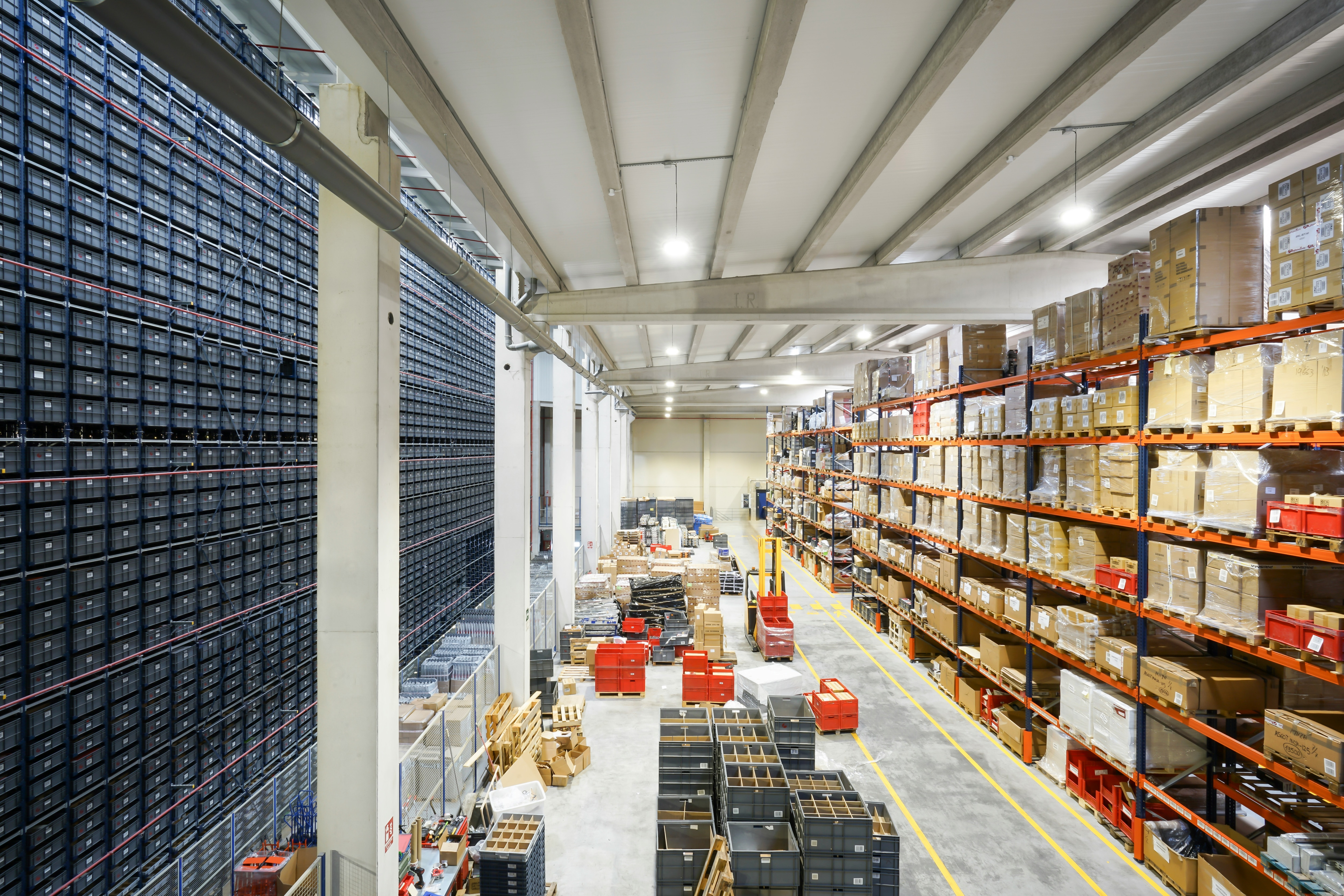
Warehouses consistently rank among the industries with higher-than-average injury and illness rates. Common risks include powered industrial trucks, manual material handling, struck-by incidents, falls, and ergonomic strain.
To address these risks, OSHA has expanded enforcement activity through its National Emphasis Program (NEP) on Warehousing and Distribution Centers. Under this program, facilities may be selected for inspection based on injury data, industry classification, or regional enforcement priorities.
This means warehouses are more likely to face:
- Unannounced inspections
- Closer scrutiny of material handling and traffic control
- Detailed reviews of safety equipment and training programs
What “OSHA-Driven” Safety Upgrades Really Mean
OSHA-driven upgrades are not limited to brand-new regulations. In most cases, citations stem from long-standing standards that are enforced more aggressively when injury rates rise or enforcement priorities shift.
For warehouse operations, this often translates into upgrades in four key areas:
- Physical safety controls
- Personal protective equipment (PPE)
- Traffic management and layout
- Documentation and training
Forklift Traffic and Powered Industrial Truck Zones
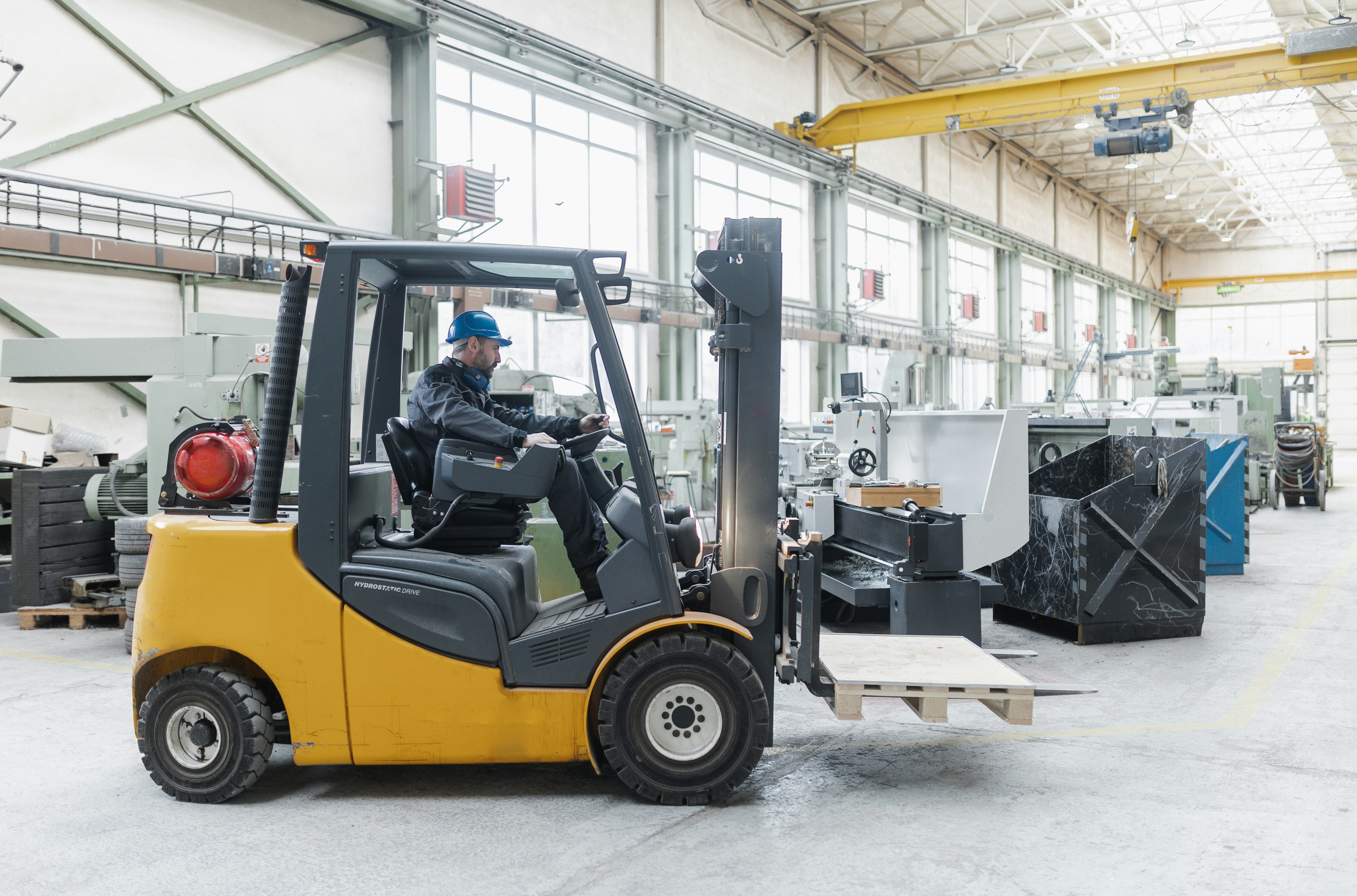
Forklifts remain one of the leading sources of serious injuries in warehouse environments. OSHA inspections frequently focus on how facilities separate vehicle traffic from pedestrians.
Common OSHA concerns include:
- Unmarked or poorly defined forklift routes
- Pedestrian walkways crossing vehicle lanes without protection
- Inadequate operator training or refresher programs
Safety upgrades to prioritize:
- Clearly marked forklift-only lanes
- Physical barriers or guardrails at high-traffic intersections
- Improved visibility using mirrors and warning lighting
Before 2026, facilities should review whether traffic controls rely solely on paint and signage—or whether physical separation is needed in higher-risk zones.
Loading Docks and Shipping Areas
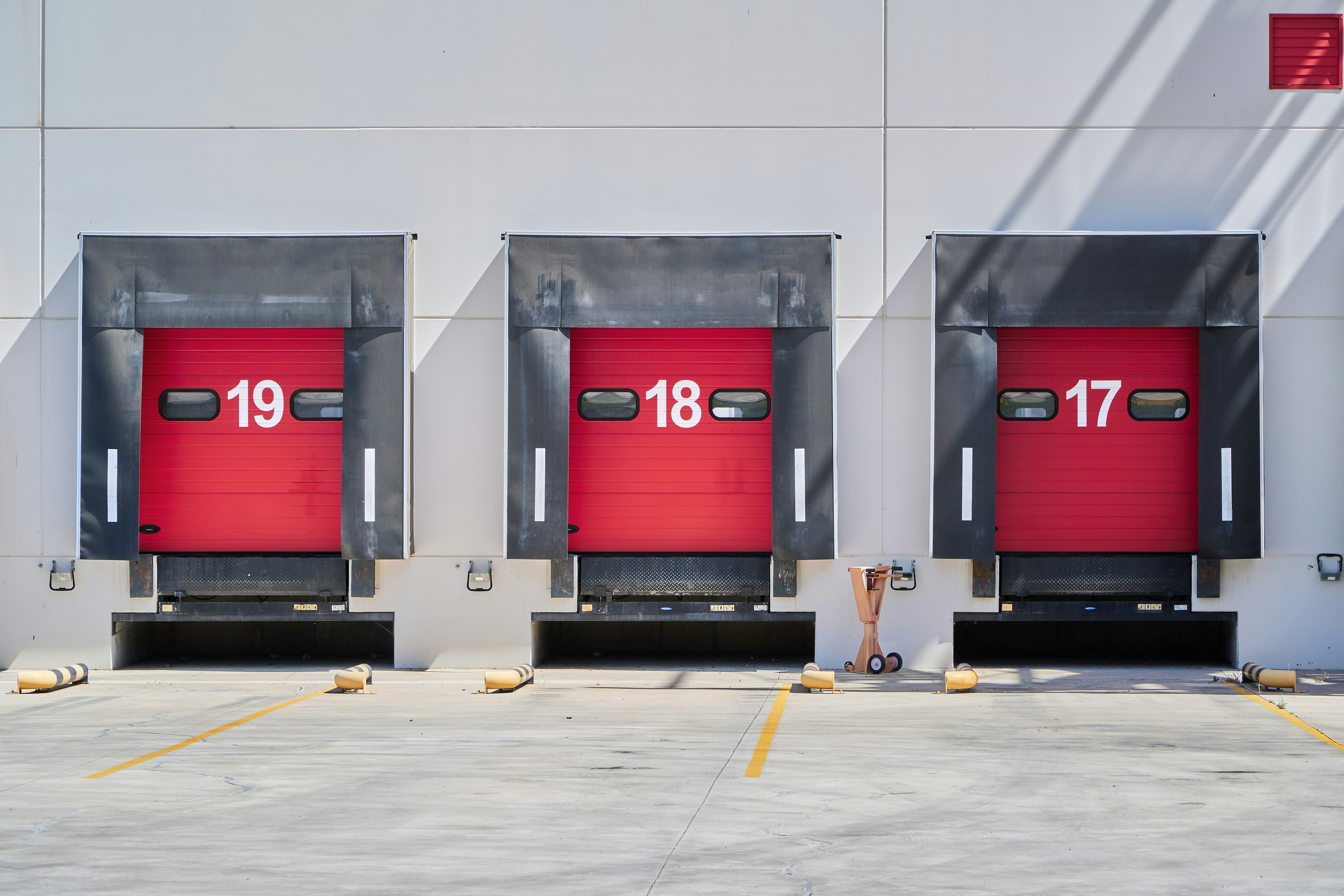
Loading docks consistently appear in OSHA citation data due to fall hazards and struck-by incidents. Trailer movement, elevation changes, and time pressure all increase risk.
Common inspection findings:
- Unprotected dock edges
- Lack of trailer restraint or wheel chock procedures
- Inconsistent dock safety practices between shifts
Safety upgrades to prioritize:
- Dock barriers or safety gates
- Vehicle restraint systems or standardized wheel chock use
- High-visibility edge markings and warning lights
PPE Fit and Personal Protection Programs
OSHA has increased attention on whether PPE actually fits workers properly—not just whether it is provided. Poorly fitting PPE can reduce protection and create secondary hazards.
Key PPE-related risks in warehouses:
- Gloves that limit grip or dexterity
- Ill-fitting high-visibility apparel
- Head protection not suited for specific tasks
Safety upgrades to prioritize:
- Task-specific PPE selection
- Multiple size options for gloves and apparel
- Documented PPE assessments and training
--shopstart--{"id":172225,"link":172225,"name":"Industrial Gloves – Coated Gloves, Cut-Resistant, Disposable Nitrile & Vinyl Gloves","shortName":"Industrial Gloves – Coated Gloves, Cut-Resistant, Disposable Nitrile & Vinyl Gloves","url":"https://s3.springbeetle.top/prod-common-bucket/commodity/item/1028_file_20250929-203524.png","itemFootMarkType":"NONE"}--shopend-- --shopstart--{"id":170364,"link":170364,"name":"Class 2 Standard Hi-Vis Safety Vest with Pockets - 5 Pack","shortName":"Safety Vest","url":"//s3.springbeetle.com/prod-us-bucket/trantor/attachments/USFD/主图5_SV001反光衣x10.png","itemFootMarkType":"NONE"}--shopend-- --shopstart--{"id":170241,"link":170241,"name":"Vented Cap Style Hard Hat, 4-Point Ratchet Suspension - 3 Packs","shortName":"Vented Hard Hat","url":"https://s3.springbeetle.top/prod-common-bucket/commodity/item/1028_file_20250519-144415.png","itemFootMarkType":"DISCOUNT"}--shopend--
Heat Stress and Environmental Controls
Heat-related illness prevention is becoming a growing enforcement priority, particularly in warehouses without climate control. While a formal federal heat standard is still evolving, OSHA already cites employers under the General Duty Clause.
Areas of concern include:
- High indoor temperatures during peak seasons
- Inadequate access to water or rest breaks
- Lack of heat illness training
Safety upgrades to prioritize:
- Cooling fans or ventilation improvements
- Clearly defined hydration and rest protocols
- Supervisor training on early heat illness signs
--shopstart--{"id":170602,"link":170602,"name":"24-inch High-Velocity Heavy Duty Drum Fan","shortName":"drum fan","url":"https://s3.springbeetle.top/prod-common-bucket/commodity/item/1028_file_WF002-24-inch High-Velocity Heavy Duty Drum Fan-4dock.png","itemFootMarkType":"NONE"}--shopend-- --shopstart--{"id":171518,"link":171518,"name":"Commercial Ice Maker with 45-Tray Capacity","shortName":"Ice Maker DBJ-45","url":"https://s3.springbeetle.top/prod-common-bucket/commodity/item/1028_file_DBJ-45制冰机.png","itemFootMarkType":"NONE"}--shopend--
Housekeeping, Walkways, and Egress Routes
Slips, trips, and blocked exits remain among the most frequently cited warehouse violations. These issues are often easy to fix but easy to overlook during busy operations.
Common OSHA findings:
- Obstructed aisles and exits
- Poorly maintained walking surfaces
- Inadequate emergency access
Safety upgrades to prioritize:
- Clearly designated pedestrian walkways
- Routine housekeeping inspections
- Visible exit markings and lighting
--shopstart--{"id":170239,"link":170239,"name":"Caution Wet Floor Warning Sign - 2 Sided","shortName":"Wet Floor Sign","url":"//s3.springbeetle.com/prod-us-bucket/trantor/attachments/USFD/主图4_FS001安全指示牌.png","itemFootMarkType":"NONE"}--shopend-- --shopstart--{"id":170246,"link":170246,"name":"Microfiber Dust Mop - 40''","shortName":"Microfiber Dust Mop","url":"//s3.springbeetle.com/prod-us-bucket/trantor/attachments/USFD/20241016-165028.png","itemFootMarkType":"NONE"}--shopend--
A Practical Checklist Before 2026
- Review forklift and pedestrian traffic separation
- Inspect loading dock fall protection and restraints
- Reassess PPE fit and task suitability
- Evaluate heat exposure risks and controls
- Confirm aisles, exits, and walkways remain clear
Completing these reviews before the end of the year allows time to correct deficiencies before inspections become more frequent.
Final Thoughts
OSHA-driven warehouse safety upgrades are not about reacting to a single new regulation. They are about responding to increased enforcement, clearer expectations, and higher scrutiny of long-standing hazards.
Warehouses that proactively address high-risk zones and update safety equipment now will be better positioned to reduce injuries, avoid citations, and operate more reliably in 2026 and beyond.