


Warehouses are dynamic environments where people, vehicles, heavy loads, and machinery operate simultaneously. While overall safety programs matter, accidents rarely happen at random. They tend to concentrate in specific high-risk warehouse zones—areas where traffic intersects, visibility is limited, or loads and equipment are under constant stress. Understanding where these zones are and what safety equipment is most critical in each one is essential for reducing injuries, downtime, and compliance risk.
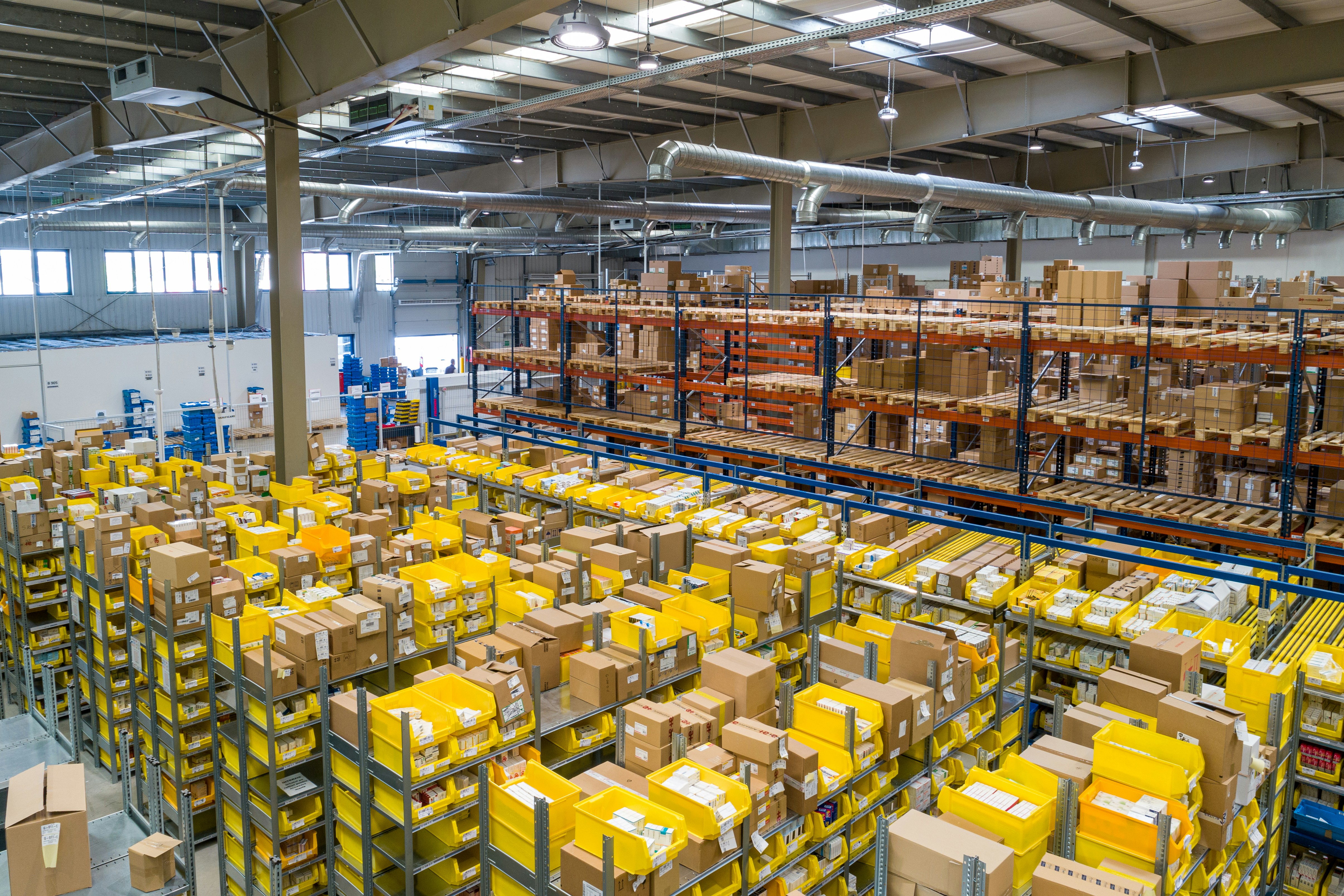
What Are High-Risk Warehouse Zones?
High-risk warehouse zones are defined areas where the likelihood of accidents, injuries, or property damage is significantly higher than average. These zones usually share common characteristics:
- Frequent interaction between pedestrians and vehicles
- Movement of heavy or elevated loads
- Limited visibility or blind spots
- High operational speed or congestion
- Manual handling combined with powered equipment
Rather than treating warehouse safety as a single, broad issue, modern safety strategies focus on identifying these zones and applying targeted controls where they matter most.
How to Identify High-Risk Zones in Your Warehouse
Most safety professionals begin with a structured walkthrough of the facility.
During this process, the goal is not only to look for obvious hazards, but also to observe how people and equipment actually move during normal operations.
Key indicators of high-risk zones include:
- Forklift and pedestrian paths that overlap or cross
- Narrow aisles with high rack heights
- Loading and unloading points with frequent trailer movement
- Areas with poor lighting or obstructed sightlines
- Locations with repeated near-miss or damage reports
Accident records, near-miss logs, and maintenance reports often confirm what walkthroughs reveal.
If damage or injuries repeatedly occur in the same location, that area should be treated as a priority high-risk zone.
Aisles and Racking Areas
Storage aisles and racking systems are among the most accident-prone areas in any warehouse.
Forklifts operate in tight spaces while handling elevated loads, increasing the risk of collisions and falling objects.
Primary risks:
- Forklift impacts with rack uprights
- Falling pallets or unstable loads
- Pedestrians entering active aisles
Most critical safety equipment:
- Rack protection systems and upright guards
- Clearly marked forklift-only aisles
- Overhead load protection and safety netting where required
Physical barriers and impact-resistant guards are often more effective than signage alone in these zones, as they provide constant protection regardless of operator behavior.
Loading Docks and Shipping Areas
Loading docks combine elevation changes, vehicle movement, and time pressure, making them one of the highest-risk zones in warehouse operations.
Primary risks:
- Falls from dock edges
- Trailer creep or unexpected movement
- Forklifts driving off unprotected dock openings
Most critical safety equipment:
- Dock barriers or safety gates
- Wheel chocks or vehicle restraint systems
- High-visibility dock edge markings
Because dock accidents often result in severe injuries, fixed physical controls are considered essential in these areas.
Forklift Traffic Lanes
Forklift routes extend throughout the warehouse and often intersect with pedestrian paths, storage zones, and workstations.
Without clear separation, these lanes become persistent high-risk areas.
Primary risks:
- Vehicle-to-pedestrian collisions
- High-speed impacts at intersections
- Reduced reaction time in congested areas
Most critical safety equipment:
- Physical barriers separating people and vehicles
- Floor markings and directional signage
- Warning lights and audible alerts on vehicles
Effective forklift lane safety relies on clear visual guidance combined with physical separation wherever possible.
Pedestrian Walkways and Crossings
Walkways are designed to protect people, but they become high-risk zones when boundaries are unclear or frequently violated.
Primary risks:
- Pedestrians stepping into vehicle paths
- Blind corners and obstructed views
- Slip, trip, and fall hazards
Most critical safety equipment:
- Guardrails and pedestrian barriers
- High-contrast floor striping
- Convex mirrors at blind intersections
Consistent visual language across the facility helps workers instantly recognize safe walking zones.
Machinery and Conveyor Zones
Areas surrounding conveyors, palletizers, and automated systems present unique risks related to moving parts and pinch points.
Primary risks:
- Entanglement or crushing injuries
- Unexpected equipment start-up
- Maintenance-related exposure
Most critical safety equipment:
- Machine guarding and safety fencing
- Emergency stop systems
- Lockout/tagout devices
Engineering controls are the primary defense in these zones, supported by clear procedures and training.
High Stacking and Heavy Load Storage Zones
Warehouses that rely on vertical storage face additional risk where loads are stacked high or handled manually.
Primary risks:
- Falling objects
- Overloaded shelving systems
- Strain injuries from manual handling
Most critical safety equipment:
- Load-rated shelving and racking
- Backstops and load retainers
- Appropriate PPE such as helmets and gloves
Why Zone-Based Safety Equipment Matters
Not all safety equipment delivers equal value in every part of a warehouse. Zone-based risk assessment ensures that investments are focused where they will have the greatest impact.
By aligning safety equipment with specific hazards—rather than relying on generic solutions—warehouse operators can:
- Reduce serious injury rates
- Lower damage to racks, vehicles, and inventory
- Improve compliance with safety standards
- Minimize operational disruptions
Final Thoughts
High-risk warehouse zones are not a sign of poor management—they are a natural result of complex, high-throughput operations.
The key to safer warehouses lies in recognizing where risk concentrates and deploying the right safety equipment in the right places.
A structured, zone-based approach transforms safety from a reactive obligation into a proactive operational advantage.